
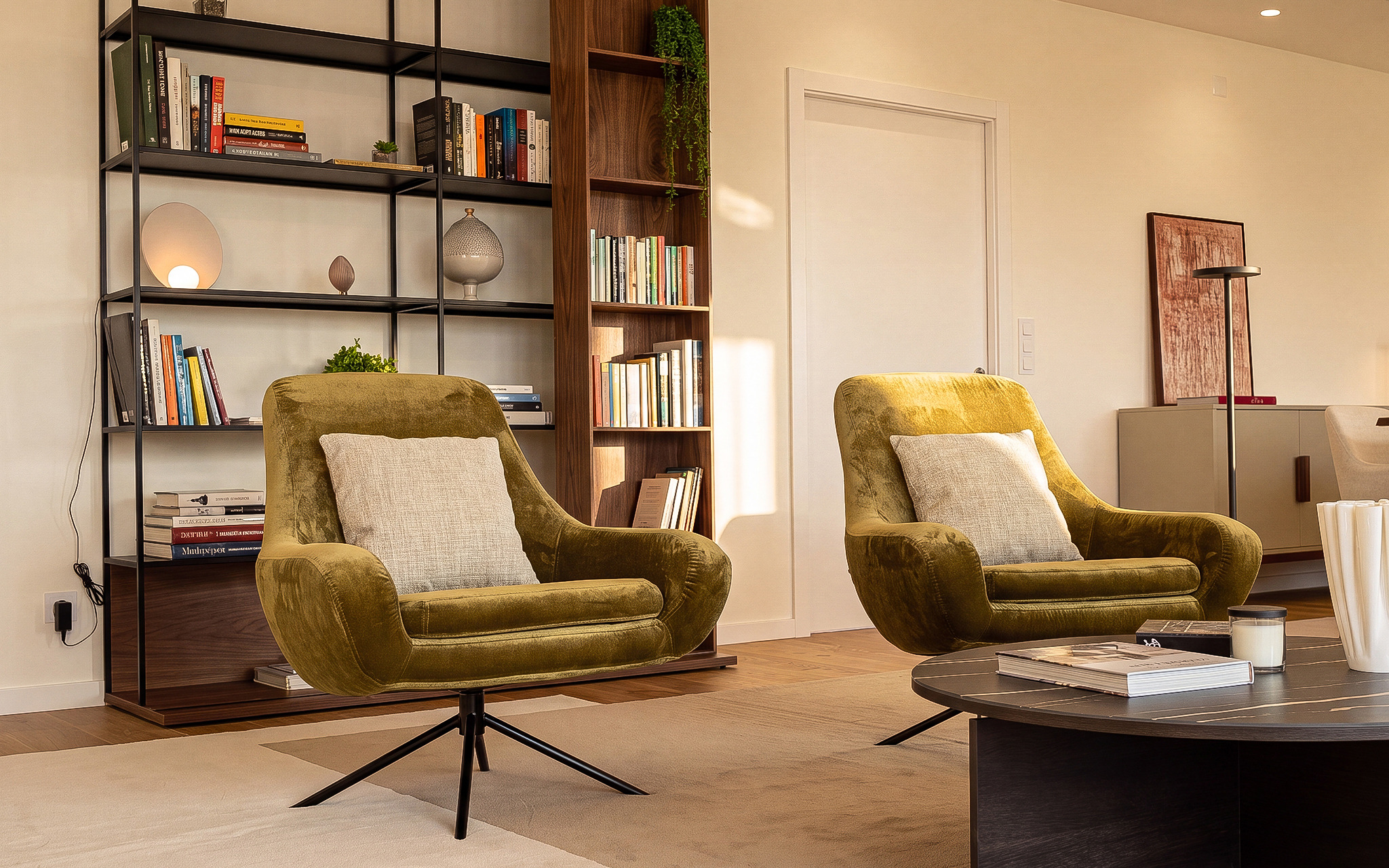
When considering an interior design project, it is natural for the focus to fall on the furniture, materials, or colours. But what distinguishes a truly well-thought-out project begins long before these choices.
There is a simple test to tell if a house is truly ready: enter a room and be able to identify, effortlessly, who lives there. Not by the objects themselves (a lamp or a table alone say nothing) but by the way they are arranged, by what has been left in view and what has been put away, by the small habits that are repeated every day without being consciously noticed. It is this invisible logic, built up over years, that separates a lived-in home from a space that is merely decorated.
Most people have never stopped to name this logic. They know that a certain corner of the room is never used, without quite knowing why. They know they need natural light upon waking, but total darkness at night. They know they often have friends over, or that they prefer not to have anyone. And it is all these details that should, obviously, change the design of the spaces in their home. It is this knowledge, scattered and sometimes unconscious, that a well-executed interior design project must gather before drawing up anything.
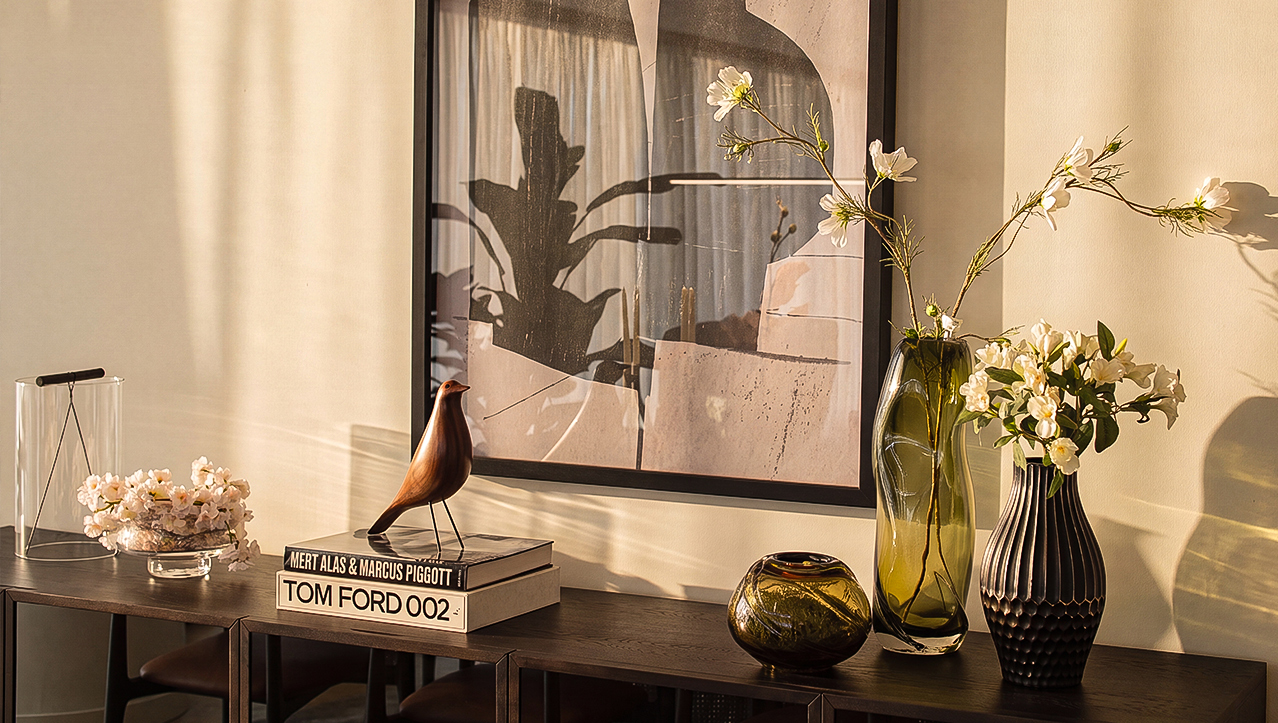
A process that begins by listening, not by designing
It is tempting to think of interior design as a matter of taste: choosing between styles, colours, trends. But the most important work happens before that, in a phase that is almost invisible: understanding how a person or a family truly lives, beyond what they would say if asked directly.
An initial meeting serves exactly this purpose. It is not a catalogue presentation, but a conversation about routines: what time the house wakes up, where meals actually take place (not always at the dining table), which objects have sentimental value and cannot go missing, which rooms are used every day and which exist only for rare occasions. It is these details that determine the first decisions of a project — not a colour palette.
From there, the process takes shape through 3D projects, which allow you to see the space before it physically exists. This is not just a technical tool, but what enables you to correct, adjust and question every choice before any definitive commitment. A sofa may look perfect in the catalogue, but wrong in a real room, and it is precisely this kind of mismatch that the 3D project allows you to detect in time.
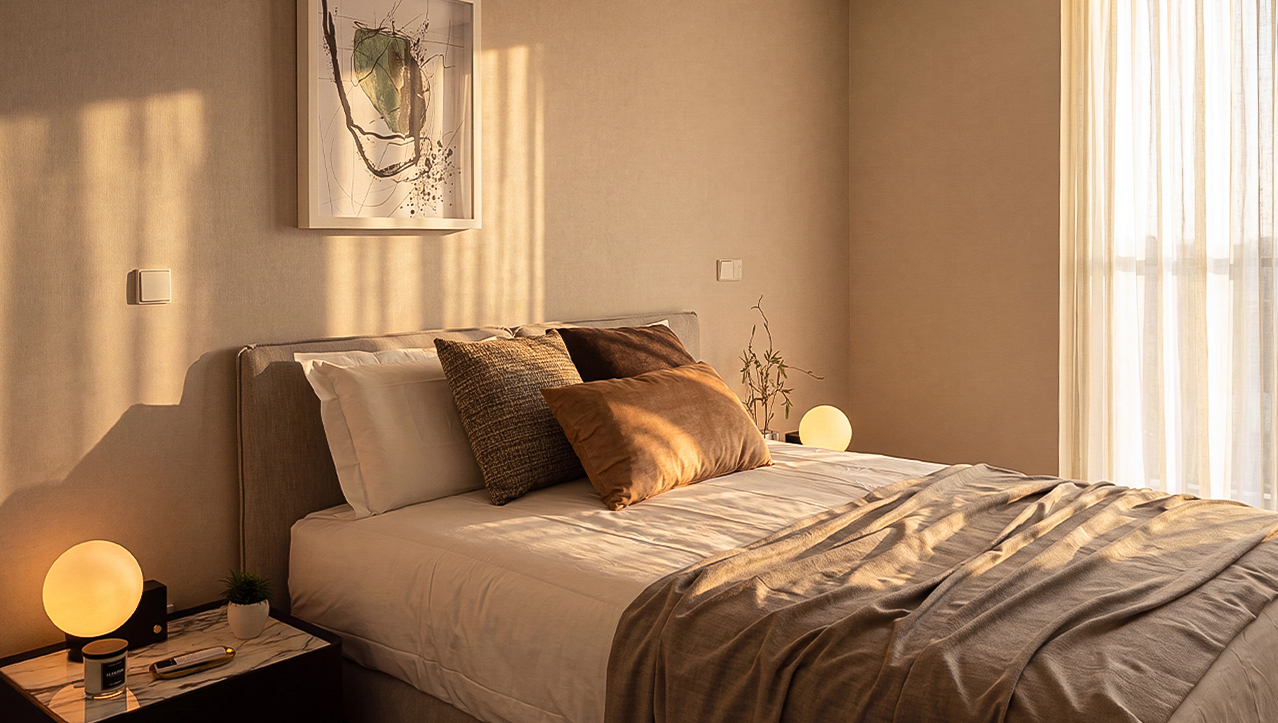
What separates a beautiful space from the right space?
There are many technically competent interior design projects that still never truly look lived in. This happens when the process focuses too much on the visual outcome (the typical look that will photograph well) and stops asking how that space will actually be used, day after day, by real people.
An interior design project done with care doesn’t end when the last piece is placed. It ends when the space no longer looks designed by an outsider — it simply looks like the home of the person who lives there. This requires time: visiting the space, getting to know the objects the person already has and wants to keep, understanding what changes in a family throughout the year, and designing for that variation, not just for the moment the final project is delivered.
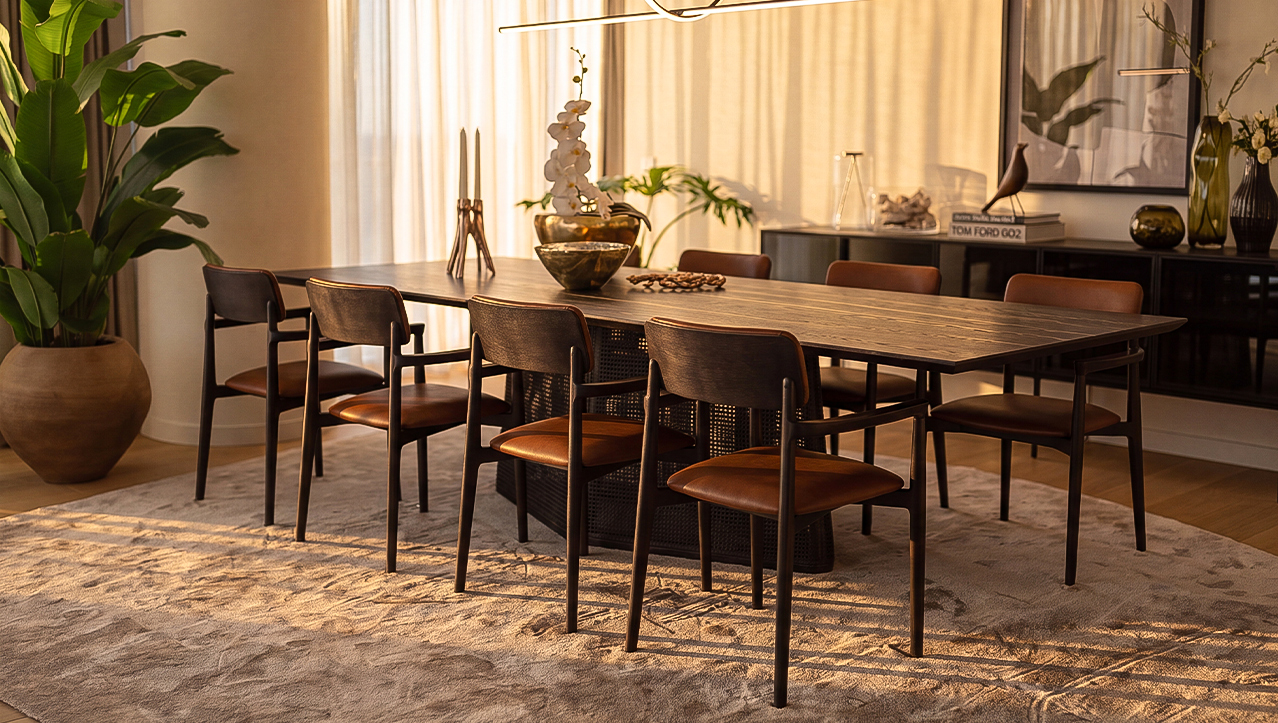
Start your project
Before choosing materials, colours or furniture, it is worth answering a simple question: How do you want to live your space? It is from this response that any project truly designed for you begins.
At Tralhão, we oversee every project from the initial idea to the final realisation, through a personalised approach that combines functionality, aesthetics, and the identity of those who will inhabit the space. Schedule a meeting with our interior design team. here and discover how we can transform your vision into a space designed just for you. For more information, contact us on 239 506 400 or by email at